Sleep Consistency
Going to bed and waking at similar times each day helps your body establish a reliable rhythm. Even on days off, keeping within a one-hour window can be beneficial.
Small, intentional changes can help you align your day with your natural patterns, fostering more comfort and balance.
Rhythm adjustment is not about strict schedules or radical changes. It is about noticing what feels natural and making small shifts that support your comfort.
The goal is awareness, not perfection. Even minor adjustments — like shifting a meal by 30 minutes or dimming lights earlier — can feel meaningful over time for some people.
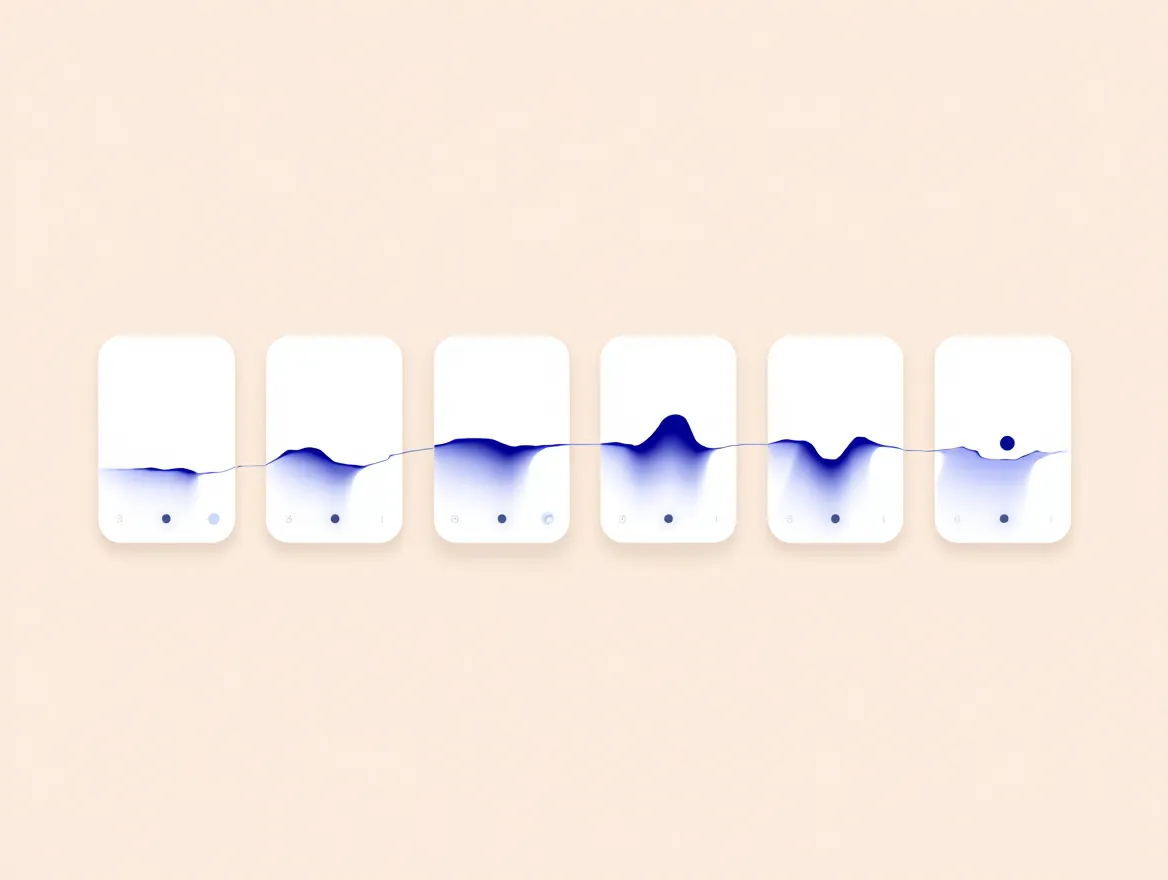
These are common areas where small changes can support a more comfortable daily rhythm.
Going to bed and waking at similar times each day helps your body establish a reliable rhythm. Even on days off, keeping within a one-hour window can be beneficial.
Regular mealtimes give your body predictable energy input. You do not need rigid scheduling — just a general pattern that your body can anticipate.
Incorporating regular movement — even brief walks — at consistent times can reinforce your daily rhythm and support overall comfort throughout the day.
Natural light in the morning and reduced artificial light in the evening can act as useful cues for your internal clock and daily sleep-rest rhythm.
Follow these steps to start noticing and gently adjusting your daily rhythm.
Before changing anything, spend a week noticing your natural patterns. When do you feel most alert? When does tiredness set in? What time do you naturally want to eat?
Choose one aspect of your rhythm to focus on first. Sleep timing is often the most impactful starting point, but choose whatever feels most relevant to you.
Adjust by 15 to 30 minutes at a time. If you want to wake earlier, shift your bedtime first. If you want more regular meals, set a gentle reminder for one meal per day.
After a week or two, reflect on how the change feels. If it supports your comfort, maintain it. If not, adjust further or try a different approach. There is no single right answer.
We welcome your thoughts and questions about rhythm and daily patterns. Reach out anytime.
Get in TouchAll materials and practices presented are educational and informational in nature, aimed at supporting general well-being. They do not constitute medical diagnosis, treatment, or recommendation. Before applying any practice, especially if you have chronic conditions, consult a physician.